The Twelfth Man on the Turf: How Crowd Mechanics (and Trash Talk) Win Games You Shouldn't
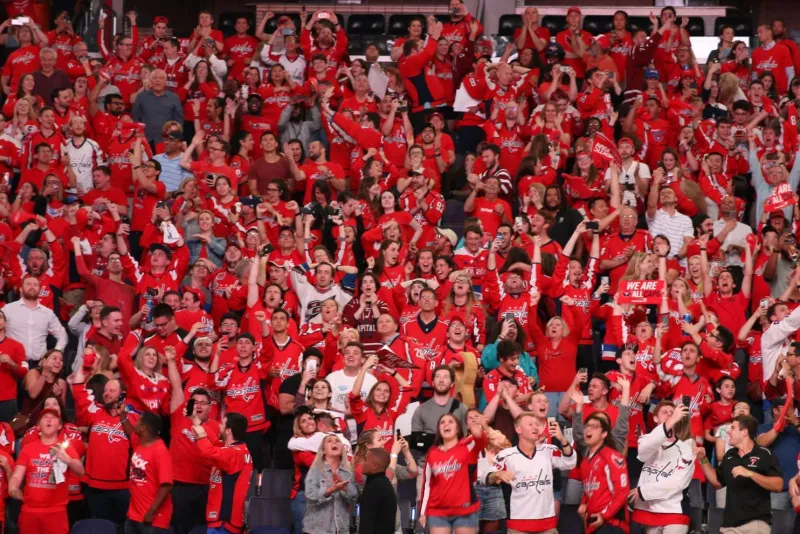
Photo: rowdy sports crowd cheering stadium fans, via www.washingtonpost.com
Every Blood Bowl coach knows the feeling. You've game-planned for weeks. You've memorized your opponent's roster. Then you show up at the table and the guy across from you has already told three jokes, complimented your paint job, and casually mentioned he's been winning with this exact lineup all season. Your brain is doing math. Bad math.
Here's the thing nobody puts in their tournament prep spreadsheet: Blood Bowl is a game with literal crowd mechanics baked into the rules. The fans are a stat. They roll dice. They occasionally storm the pitch and beat your star player into next week. And yet most of us treat Fan Factor like a tax we paid at roster creation and forgot about.
Time to stop doing that.
The Crowd Is a Player, and It's Not on Your Side
Let's start with the raw mechanics, because the psychology only works if you understand what's actually at stake. Cheering Fans kicks off every half, and winning that roll means an extra reroll. That's not flavor text — that's a swing asset worth roughly the same as a team reroll you'd pay 50k gold for.
Then there's the throw-in. The crowd throws the ball back in, and where it lands is influenced by who's more popular. A few points of Fan Factor difference can nudge the ball toward the sideline you're defending. Ask any coach who's watched a loose ball sail directly to a waiting catcher whether those few points mattered.
And of course, the pitch invasion. When the crowd pours onto the field, every player rolls — and stun results don't care whether you're the reigning national champ or the guy who bought his dice yesterday. A well-timed invasion can flatten a cage before a single block is thrown.
'The invasion is the great equalizer,' says Marcus Deel, a Chaos Dwarf coach from Columbus who's been grinding the Midwest circuit for a decade. 'You can't game-plan around it. But you CAN put your opponent in positions where an invasion hurts them more than you. That's a real skill.'
Table Talk: Weapon or Self-Destruct Button?
Now for the part that isn't in the rulebook. Walk any US tournament floor — NAF events in Seattle, the big regional scenes in Texas, the Midwinter Bowl crowd — and you'll hear it: the chatter. Some of it's friendly. Some of it is artillery.
The psychology literature on this is genuinely mixed, and so are the coaches we spoke to. The consensus, though, lands somewhere interesting: trash talk almost never makes your opponent play worse, but it absolutely can make them play different.
'The worst thing you can do is make an angry opponent careful,' explains tournament veteran Jess Okafor, who's run skaven rosters at events from Atlanta to Denver. 'Ratmen thrive when the other coach is frustrated and greedy. So I don't taunt. I commiserate. "Man, that was rough luck." Every sympathetic nod I give them is an invitation to take a risk they shouldn't.'
That's the advanced play: not rattling your opponent, but steering them. Confidence talk makes people aggressive. Sympathy makes them sloppy. Silence, it turns out, is its own psychological weapon — several coaches swear by it, describing the quiet coach as the scariest guy at the table.
Building a Crowd-Focused Game Plan
Okay, so how do you actually use any of this? A few practical takeaways from the coaches we interviewed:
Buy the fans. If your roster build leaves you 20k short of a real upgrade, Fan Factor is not a consolation prize — it's a hedge. Winning the cheering roll in the second half, when the game is on the line, is enormous.
Play the sideline odds. If your crowd is bigger, the throw-in math tilts your way. That means positioning your defense to exploit balls thrown back in on your half. It's free field position most coaches ignore.
Invasion-proof your stars. Keep your best players out of open-field isolation in the early turns of a half, when invasions hit hardest. A stunned blitzer on turn one is a whole drive gone sideways.
Control the emotional temperature. Whether you're a chatterbox or a stone wall, be deliberate about it. The goal isn't to be liked or feared — it's to make your opponent's decisions slightly worse than they'd otherwise be.
So Does It Actually Work?
Honest answer: the dice don't care how intimidating you are. Nobody's reroll comes up tails because you talked trash. But Blood Bowl isn't played by dice — it's played by people deciding which dice to roll, when, and with how much panic.
The crowd mechanics give you real, rulebook-backed leverage. The psychology determines whether your opponent makes the most of their own leverage or hands it to you. Stack both, and you've got an edge that shows up on the scoreboard without ever appearing on a stat sheet.
The fans showed up. The least you can do is use them.