Rookie Roadmap: Six Steps From Fence-Sitter to Tournament Veteran
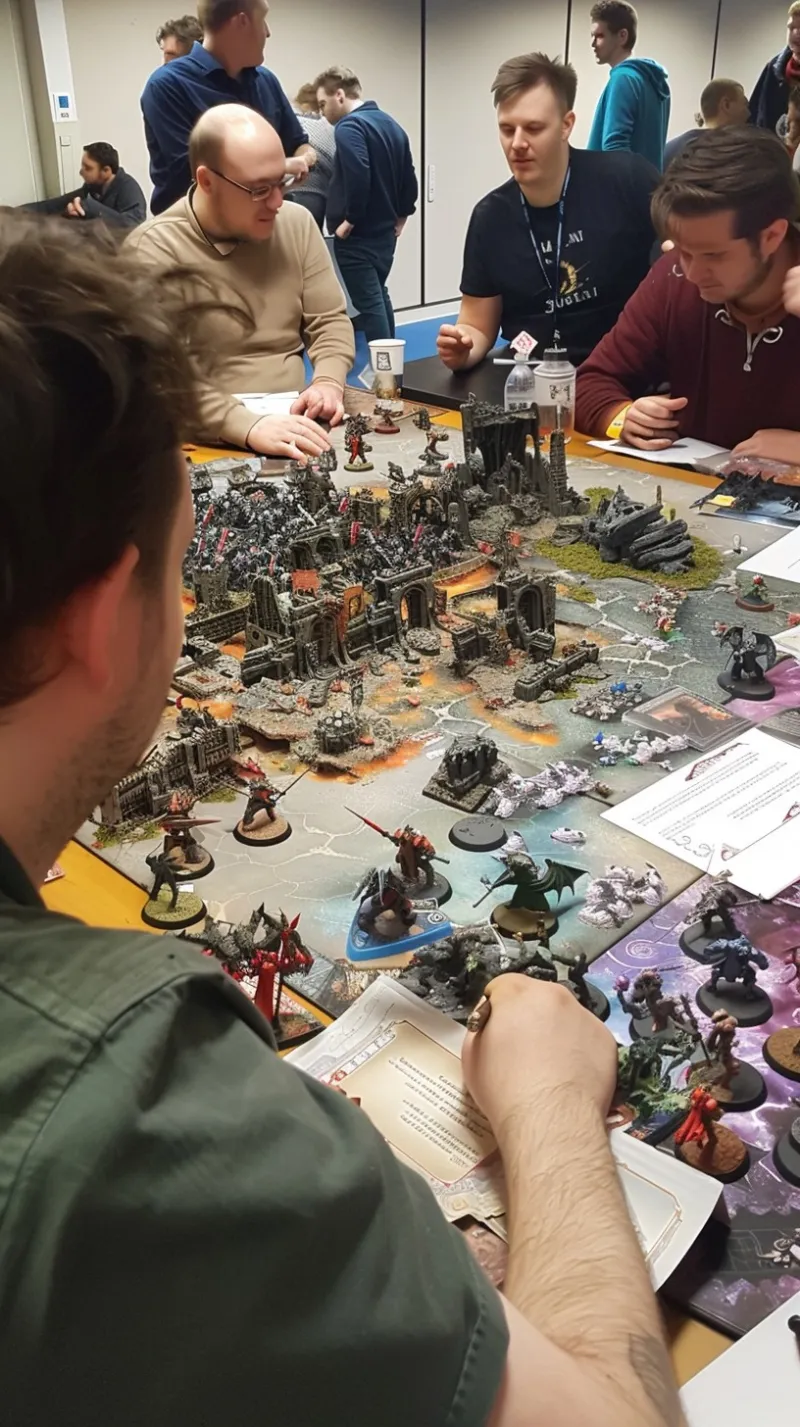
Photo: crowded game store tabletop tournament players at tables with dice and miniatures, via images.stockcake.com
Every tournament veteran remembers their first event. The nerves, the rules packet printed twice, the crushing realization that someone brought a painted team and you brought gray plastic and a dream. This guide exists so your first season goes better than ours did. Follow along.
Step 1: Pick the Right First Event
Not all tournaments are built the same. Your first should be a novice-friendly, one-day event—look for keywords like 'rookie,' 'beginner,' or 'resurrection format' in the event listing. Resurrection events (where rosters reset between rounds) are perfect for new coaches because a catastrophic game doesn't haunt your roster for the rest of the season. Check regional Facebook groups and tournament calendars for late-summer and fall dates—there's a dense circuit of one-dayers across the Midwest and Southeast that welcome newcomers.
Skip the two-day majors for now. You'll get there. First you need reps.
Step 2: Read the Rules Packet Like a Playbook
Every tournament publishes a rules packet: permitted teams, skills packs, star player rules, tiebreakers. Read it twice. Nothing marks a rookie faster than showing up with an illegal roster, and nothing derails round one like a rules dispute you could've avoided. If something's unclear, email the TO (tournament organizer) in advance. They'd rather answer ten questions than adjudicate one argument.
Step 3: Know What Round Pairings Actually Are
Most US events use Swiss pairings: you play opponents with similar records each round, so round one is random and round five is a prize fight. Translation: you will probably lose your first round against a stronger seed, and that's the system working, not you failing. Win games from round two onward and you'll climb the bracket naturally.
Step 4: Understand Sportsmanship Scoring (It's a Weapon)
Most events score sportsmanship, and it matters—soft scores have decided more podiums than anyone admits. The formula is simple: be pleasant, know your rules, keep the game moving, don't slow-play a lead, and concede gracefully. Coaches remember opponents who were fun to lose to. Those votes add up across five rounds faster than your win-loss record does.
Step 5: Pack Like a Pro
Your tournament bag checklist:
- Team, roster copies (three), dice, templates, and a measuring tool
- Skill counters or rings — forgetting these is the classic rookie tell
- Cash for the venue and the vendor hall
- Snacks and a water bottle. Round three on an empty stomach is how blunders happen
- A phone charger. You'll be photographing other people's painted teams all day
Step 6: Set Realistic Goals (Then Reset Them)
Here's the honest expectation-setting: a .500 record at your first tournament is a genuinely good result. Your actual goals for event one should be: finish all your rounds, make zero rules incidents, meet three coaches you'll see again, and have one game you'll retell for years. Trophies come later. Stories come first.
The Season Plan
A smart rookie calendar: one novice event in month one, a one-day local in month two or three, then your first multi-round event by season's end. By event three, you'll be the veteran giving advice to some nervous first-timer with gray plastic and a dream.
Pay it forward. That's how the circuit stays alive.