Tick, Tock, Block: The Chess-Clock Culture War at American Tables

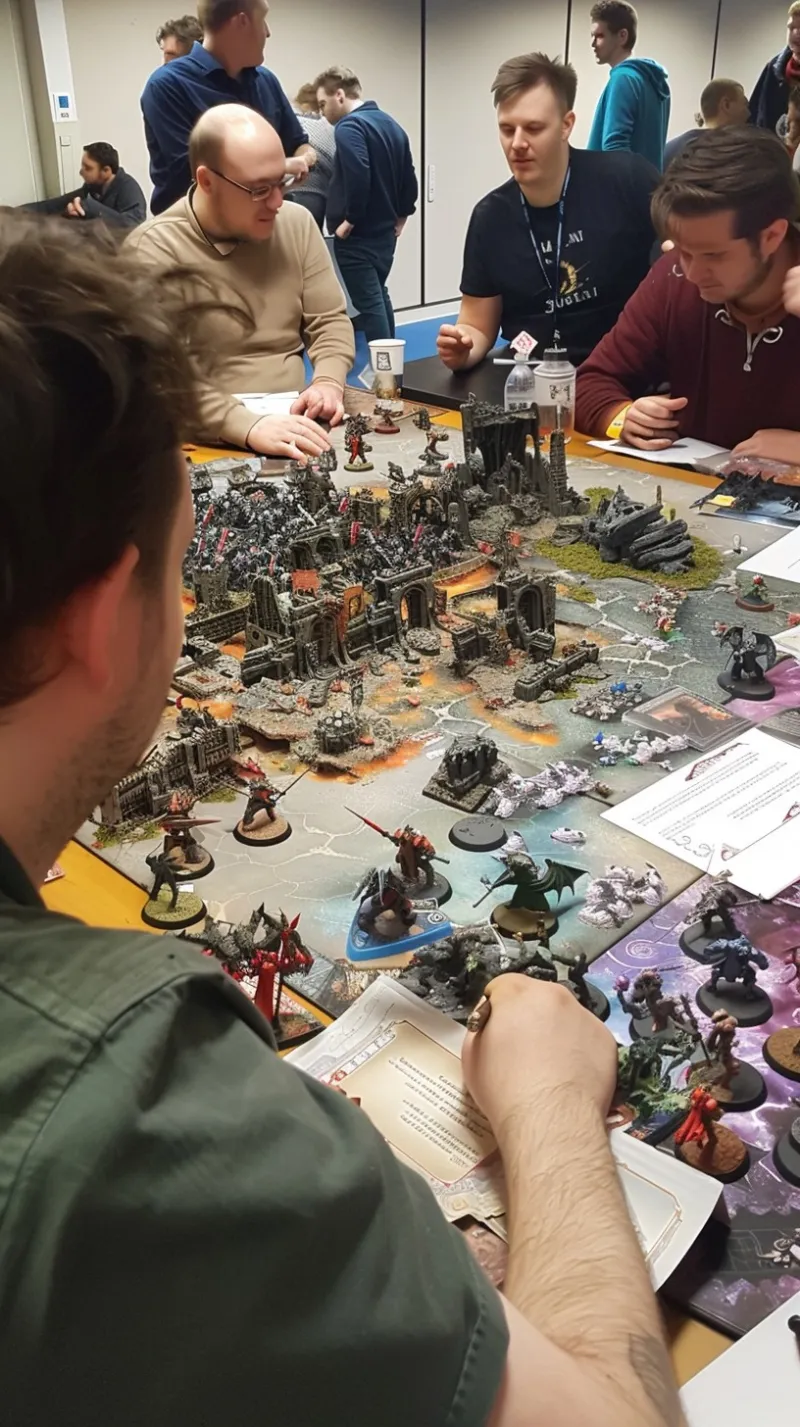
Photo: chess clock beside tabletop miniatures and dice on gaming table, via media.newyorker.com
The chess clock is the most controversial piece of equipment in American Blood Bowl right now, which is remarkable for a device that does not roll dice, block players, or argue about whether a push is a push. Put a clock on the table and you learn more about a coach's personality than three rounds of league play ever will.
This is the part where someone says clocks are for tournament speed and nothing else. That is not quite right. Clocks are a boundary. Boundaries are cultural. And tournament culture is exactly what is being negotiated every time an organizer sets out a timer and a printed policy nobody read on the way in.
The Clock Is a Boundary, Not a Cop
A chess clock does not make a slow player fast. It makes slow play visible. That is the important distinction. A coach who spends three minutes deciding whether to blitz or dodge is not necessarily cheating. A coach who spends three minutes doing it every turn, every game, while the opponent stares at the ceiling, is making a choice about whose time matters. The clock simply writes that choice down.
The best organizers I have spoken with do not treat clocks as punishment. They treat them as a shared agreement. Four minutes per turn, with a reserve of thirty seconds or so for bookkeeping, is common at US events. Some events use five minutes and a stern look. Some use no clocks at all and rely on the referee's internal sense of doom. All three can work. What does not work is ambiguity. If the policy exists only in the organizer's head, it will be discovered mid-argument at table twelve.
What Organizers Are Actually Doing
The 2026 US calendar showed a clear split. Larger events increasingly publish timed-turn rules before registration. Smaller local events often keep clocks on standby, pulling them out only when a game is running long or a pattern of slow play appears. Very few organizers are eager to hand out penalties. Most prefer a warning, a nudge, and a referee hovering nearby like a very polite vulture.
Slow-play penalties remain rare, and that is probably healthy. A clock should solve most problems before penalties become necessary. The real value is that both coaches know the boundary. The opponent can politely point at the clock. The slow player can speed up without losing face. The referee can finish the round before the venue turns into a pumpkin.
There is also a strategic angle that gets buried under the etiquette debate. Timed turns change preparation. Coaches who rehearse their first two turns and know their default blocking order perform better under pressure. Coaches who improvise every decision from scratch discover that a four-minute turn is not very long when your plan is a vague feeling.
Etiquette: The Social Contract
Clocks do not excuse rudeness. If your opponent is new, explain the clock before the game. If the tournament does not use clocks, do not smuggle one into the table like a referee with a grudge. If you are the fast player, do not tap your fingers and sigh dramatically. Nobody has ever played better because someone sighed at them.
The healthiest clock culture I have seen treats time as a shared resource instead of a weapon. Both coaches get the same boundary. Both coaches get the same warning. The referee handles disputes. The game moves. The bar opens on schedule. That is the entire promise.
How to Play Fast Without Playing Bad
Playing fast is not the same as playing recklessly. The coaches who thrive under timed turns usually do three things well. First, they pre-measure before their turn begins. Second, they decide the order of operations before touching a miniature. Third, they keep a simple default plan for the turn after this one, so they are not starting from zero when the clock resets.
A few practical habits help. Sort your dice before the turn. Keep your roster sheet where you can actually read it. Announce the action before you roll it. If a rules question comes up, call the referee early instead of burning ninety seconds in a private debate. And if you are the one who likes to think, think during your opponent's turn. The clock is not stopping for your mental whiteboard.
The Strategic Upside: Weaponized Tempo
Here is the part tournament veterans whisper about: clocks reward pressure. If you play a fast, aggressive game, you can force a deliberate opponent out of their comfort zone. Not by cheating, and not by being obnoxious, but by simply keeping the game moving. Some coaches build beautiful plans that require five minutes of quiet contemplation per turn. A timed event is not the place to discover that your beautiful plan is a luxury item.
That does not mean fast players automatically win. It means preparation matters more. A coach who knows their roster can make good decisions quickly. A coach who is still learning the roster will feel the clock more sharply. That is not unfair; it is information. It tells you what to practice before the next event.
The Verdict
The chess clock is not the villain of American Blood Bowl. The villain is the unspoken expectation that everyone else will absorb your pace. Clocks make that expectation explicit. They are not perfect, and they are not mandatory, but they are a useful tool for a tournament scene that is getting bigger, busier, and less patient with mystery delays.
If your local event wants to try clocks, publish the policy early, explain it kindly, and enforce it consistently. If you hate clocks, argue the policy honestly instead of pretending pace of play is somebody else's problem. Either way, know your first four turns before the whistle. The clock is coming, and it has no sense of humor.