Whistle While You Work: The Unwritten Rulebook of Running a Blood Bowl League Nobody Wants to Leave
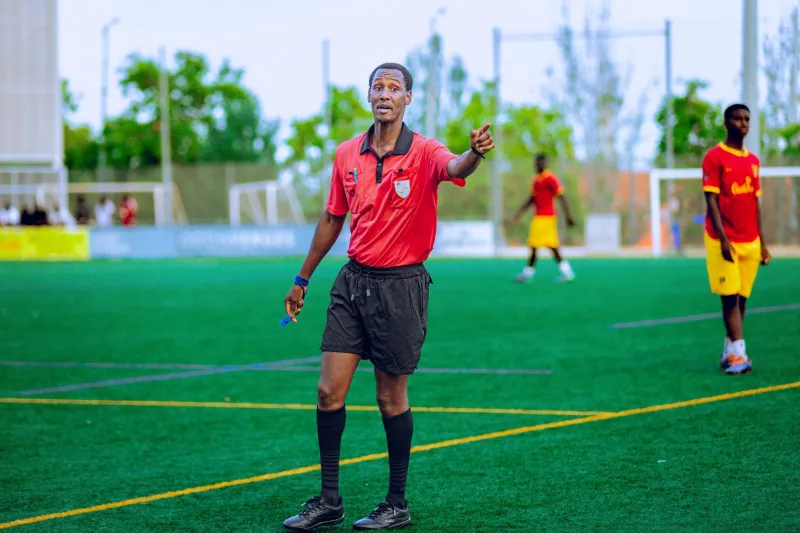
Every Blood Bowl league has one person holding the whole thing together with painter's tape, a Google Sheet, and the quiet desperation of someone who knows that if they stop answering texts for forty-eight hours, the entire operation collapses into a flame war about whether a Skaven player was 'technically on the pitch.'
We interviewed commissioners from leagues in Ohio, Texas, Oregon, and Georgia — men and women who have survived coaching droughts, prize money scandals, and one memorable incident involving a stolen troll miniature — to find out what actually separates a league that lasts a decade from one that dies in week three.
The Constitution Is Not a Suggestion
Every commissioner we spoke to said the same thing in different words: write the rules down before anyone has a reason to care.
"The league constitution is like a prenup," says Dana Whitfield, who's run the Peach State Pain League outside Atlanta for six seasons. "Nobody wants to read it when things are good, and everybody wants to read it the second things go sideways. If you don't have one, you're not a commissioner. You're a hostage."
The best constitutions share a few traits. They're short — nobody respects a forty-page document they've never read. They cover the actual flashpoints: scheduling deadlines, what happens when a coach ghosts, how tiebreakers work, and crucially, what the consequences are for repeated no-shows. One Oregon league includes a clause coaches affectionately call the "consecutive forfeit rule": miss two games without notice and your team takes a season-long stat line of shame in the standings spreadsheet.
The point isn't punishment. It's that when the rules live in writing, disputes stop being arguments about fairness and become arguments about interpretation — which is a much easier fight to referee.
Scheduling: Where Leagues Go to Die
Ask any failed league what killed it and you'll get the same answer as a failed garage band: "We couldn't find time to practice." Adult life is the true killer on the pitch.
The commissioners who last don't schedule manually. They build slack into the system and use tools ruthlessly. League management platforms, shared calendars, group chats with pinned deadlines — the specific tool matters less than the principle that scheduling should never require a human conversation. Every "hey, when works for you?" text chain is a chance for a game to quietly never happen.
Several leagues use rolling deadlines with a built-in extension: games are due Sunday, but you can push to the following Wednesday once per season, no questions asked. It sounds trivial. It isn't. That single buffer, commissioners report, cuts forfeits dramatically, because the number one reason coaches miss games isn't conflict — it's the death spiral of rescheduling anxiety, where putting off one conversation means dreading the next one until the season's over.
Mediating Grudges Older Than Some of Your Players
Here's the part nobody puts in the rulebook: half your league's conflicts have nothing to do with Blood Bowl. That coach who's furious about a questionable foul? Sometimes it's about the foul. Sometimes it's about the time, three years ago, the other guy backed into his car in the parking lot and never mentioned it.
Veteran commissioners develop a three-tier response system that would look familiar to anyone who's worked in HR:
Tier one: the public nudge. Most disputes die when the commissioner states the written rule calmly in the group chat. No names, no drama. Just "per section four, that's legal." Ninety percent of conflicts end here.
Tier two: the private call. For anything involving feelings, take it off the channel. A fifteen-minute phone conversation where you mostly listen solves more problems than any ruling. The goal isn't to decide who's right — it's to make both parties feel heard so they can go back to hating each other over dice rolls like normal people.
Tier three: the ruling. When you must decide, decide fast, explain briefly, and never relitigate. A mediocre ruling made immediately beats a perfect ruling made after a week of civil war. Commissioners who waffle teach their leagues that complaining works.
And one universal truth from every commissioner we spoke with: never, ever reverse a ruling because the lobby got loud. You can apologize for being wrong. You can't apologize for being persuadable.
Money, Trophies, and Other Ways to Ruin a Friendship
Prize structures are where goodwill goes to be tested. The leagues that thrive tend to keep financial stakes modest and social stakes enormous.
A small buy-in that covers a trophy and end-of-season pizza creates stakes without creating lawyers. Meanwhile, the awards that coaches actually remember are the ones money can't buy: Most Feared Opponent, Best Trash Talk, the coveted Golden Boot for most casualties caused by a player who is not your star — one Texas league hands out a literal golden cleat spray-painted by the previous season's winner.
"Nobody brags about the fifty bucks," Dana told us. "Everybody brags about the trophy with the guy doing a spike dance on it."
The Commissioner's Paradox
Here's the final irony every one of our interviewees mentioned: the best commissioners are the ones actively training their replacements. Rotate duties. Let other coaches run side events, draft the schedule, or handle the trophy night. A league that depends entirely on one person isn't a league — it's a cult with a standings table, and when that person burns out, everything burns with them.
Build something that survives you. Hand over the whistle occasionally. And keep a copy of the constitution pinned, because the moment you need it is the moment everyone suddenly has opinions.
That's the job. Nobody thanks you for the season that goes smoothly. But a decade from now, when twelve middle-aged coaches are still arguing about a foul from 2019 over wings and dice, you'll know it was worth it.