Brats Before Blocks: The Tailgate Is Blood Bowl's Real Home-Field Advantage

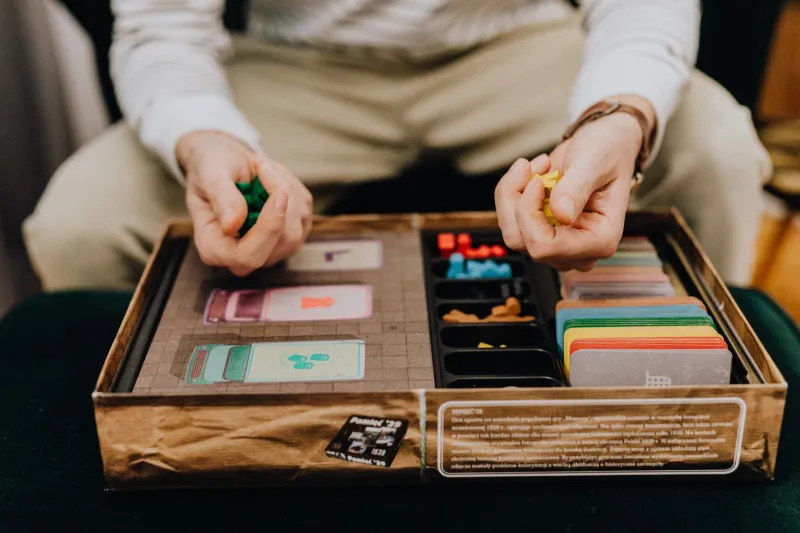
Photo by Photo by Maryna Seradzenka on Unsplash on Unsplash
Every Blood Bowl coach has a pre-game routine. Some check the weather. Some roll practice dice in the car. Some stare into the middle distance, muttering about that Nurgling that ruined their season.
But in leagues across the country—from suburban Ohio garages to Austin brewpub back patios—a different ritual has quietly become the most important part of game day: the tailgate.
And no, that's not a joke about miniatures and bratwurst. Okay, it's a little bit about bratwurst. But mostly it's about something leagues that survive learn early: Blood Bowl is a social game wearing a strategy game's jersey, and the hours before the first block matter more than most coaches want to admit.
The Parking Lot Is the Real Draft Combine
Ask any veteran league commissioner what kills a Blood Bowl league and they won't say dice luck or roster imbalance. They'll say attrition—the slow drip of players who stop showing up after week three.
The leagues that buck that trend tend to share one trait: they treat game day as an event, not an appointment. The tailgate is the engine. Somebody brings a grill. Somebody brings a folding table that has definitely survived more collapses than a Goblin offensive line. Somebody's spouse shows up with a crockpot of wings and becomes the league's most feared power broker.
By the time dice actually hit the table, everyone has already spent two hours together. Trash talk has been drafted, refined, and delivered. Grudges have been formed, and more importantly, they've been formed affectionately. That's the secret sauce. A rival you've shared a cheeseburger with hits differently than a name on a standings sheet.
Scouting, Superstition, and the Psychology of Smoke
There's also a genuine competitive angle hiding under the lawn chairs. Watch a good tailgate closely and you'll see it's basically an open-book scouting combine.
Coaches chat casually about their last game. Somebody's Skaven coach "accidentally" leaves his roster open on the picnic table. A Chaos coach who's been cagey all season gets three beers deep and starts explaining, unprompted, exactly how he plans to use his Beast of Nurgle. This is intelligence gathering, and everyone knows it, and everyone does it anyway. It's the game before the game.
Then there's the superstition layer, which in Blood Bowl is less a layer and more a structural foundation. Coaches have lucky dice bags, lucky chairs, lucky parking spots. One league in Portland famously requires its reigning champion to cook the next event's hot dogs—a "curse of the grill" that has, according to league records, never once been broken by a repeat winner.
Is any of this rational? Absolutely not. Does a coach who feels loose, fed, and socially connected roll with confidence while their opponent tilts after turn six? Ask anyone who's watched a tailgated-up veteran shrug off a triple-skull while their hangry, drive-in-late opponent melts down over a failed pickup.
Why Leagues That Grill Together, Stay Together
Here's the retention math that commissioners should tattoo somewhere visible. A player who shows up, plays their match, and leaves has one touchpoint with your league per week. A player who tailgates has a dozen—inside jokes, shared meals, a standing invitation to the next one.
Blood Bowl asks a lot of its players. It takes hours, it's brutal on your painted darlings, and sometimes the dice commit crimes against you that would get a real referee suspended. The social fabric is what makes people come back after a 3-0 loss where three of their stars got carted off. Nobody drives forty minutes for a standings sheet. They drive forty minutes for Dave's smoked brisket and the chance to finally, finally beat that Lizardman coach who talks like a sports radio host.
Several US tournament organizers have caught on. Events in the Midwest and Southeast now build tailgate hours directly into the schedule, with food trucks, grill competitions, and—inevitably—awards for Best Trash Talk. Attendance holds. New players bring friends. The pitch stays full.
Building Your League's Tailgate Culture
The good news: this costs almost nothing to start.
Pick a standing spot and time. Ninety minutes before first round, same place every time. Consistency is the whole trick.
Assign rotating grill duty. The reigning champ cooks. Or the loser cooks. Pick a rule, make it tradition, defend it with your life.
Institutionalize the nonsense. Lucky dice parades. Pre-game handshake lines. A trophy for the best pre-match speech. The dumber it sounds, the more it'll stick.
Welcome the new coach loudly. A rookie who gets handed a plate of food and three league inside jokes in their first hour is a rookie who shows up in week ten.
Bottom of the Ninth, er, Bottom of the Grill
Blood Bowl will always be a game of blocks, dodges, and dice that hate you personally. But the leagues that thrive in the US scene understand something the rulebook never mentions: the community is the content, and the tailgate is where it gets built.
So fire up the coals, pour something cold, and start the scouting early. Your roster might still fold on turn four—but the league? The league is going to be just fine.