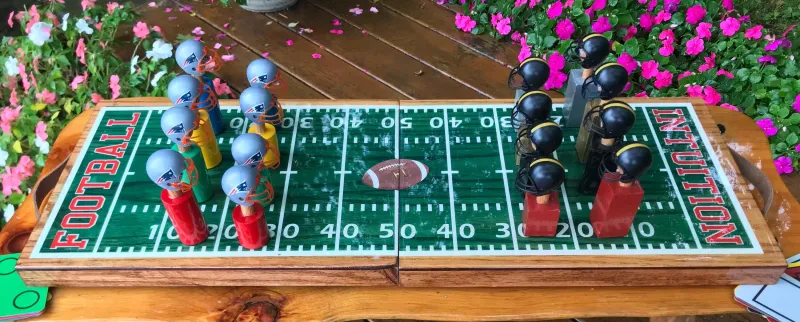
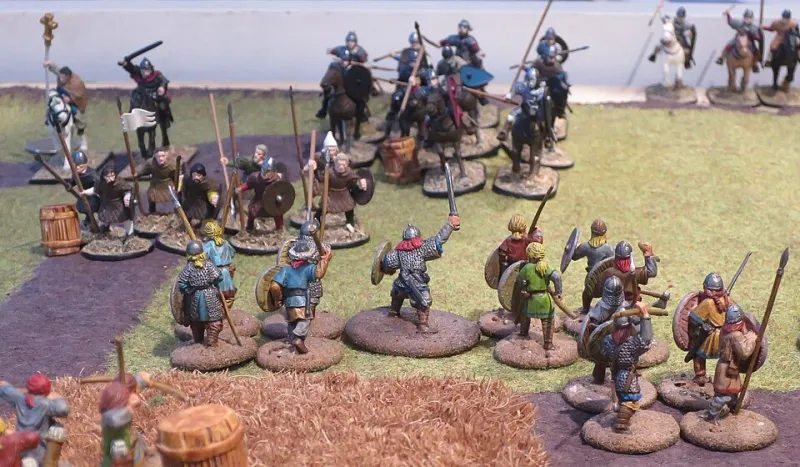
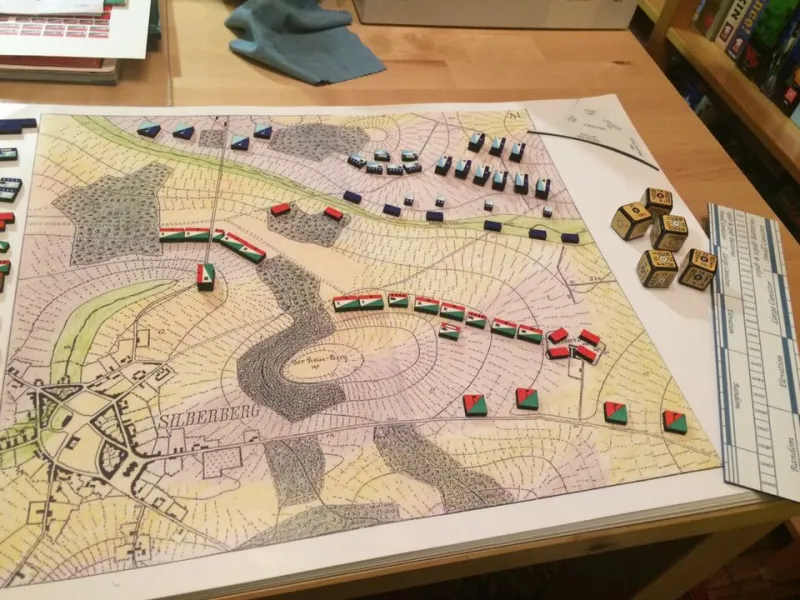
Pitchers and Pitch Invasions: Inside America's Brewpub Blood Bowl Boom
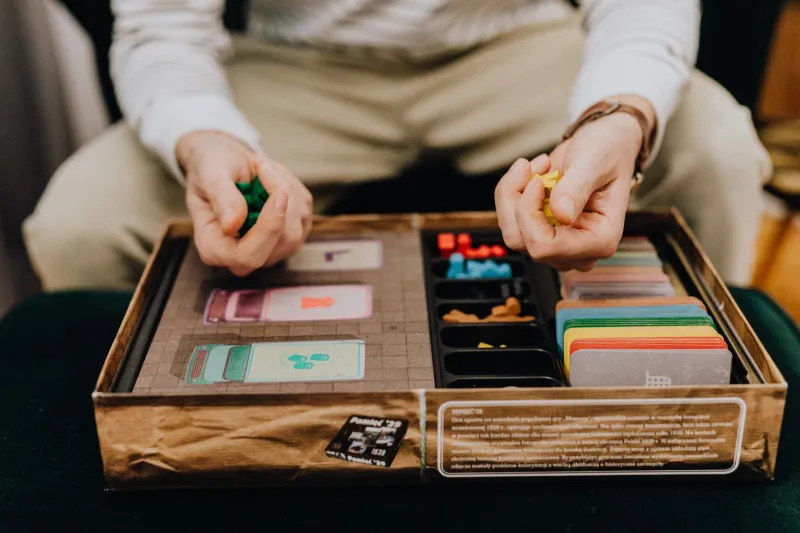
There's a moment around 9:40 PM on a Friday at The Crooked Tap in Austin, Texas, when the trivia crowd filters out, a guy named Dez unlatches a folding table with the ceremony of a man unveiling a championship banner, and four coaches start setting up pitches between theIPA taps. Nobody here is wearing a lanyard. Nobody paid a registration fee. And yet this scrappy six-team round robin has produced two players who just cashed top tables at a major regional.
Welcome to the underground economy of Blood Bowl: the brewpub league, the game shop gauntlet, the basement dynasty. It's loud, it's sticky, and it might be the most important thing happening in the North American scene.
The Taproom League: Blood Bowl's Natural Habitat
Ask around long enough and a pattern emerges: Blood Bowl doesn't flourish in vacuum-sealed tournament halls. It flourishes where there's table space, cheap food, and a bartender who learned to stop asking why grown adults are screaming about a goblin.
The Crooked Tap league started, like most, by accident. Commissioner Maria Salazar—day job: dental hygienist; night job: ruthless Chaos Dwarf tyrant—brought a starter box to a board game night and never brought it home. "Three weeks later we had eight people and the owner asked if we wanted a standing reservation," she laughs. "I said yes before he finished the sentence."
The bar benefits too. A league night pulls in eight to twelve players who each buy two drinks and dinner over three hours. That's guaranteed Friday revenue in an industry that lives and dies by the slow winter months. Smart commissioners know this and lead with it: you're not asking a venue for a favor, you're offering them a customer base.
House Rules: The Local Flavor Problem (and Why It's a Feature)
Every league worth its salt develops quirks, and touring the country's grassroots scene is like a tasting flight of house-rule experiments.
- The Austin Sudden Death: If a match ends in a draw, both coaches roll a d6 in front of the whole league. Highest roll gets the win. Chaos? Absolutely. But it's produced more post-game shouting, laughing, and reroll-buying than any rulebook amendment ever could.
- The Akron Rookie Tax: In a basement league in Ohio, any team with a Big Guy must include at least one rookie liner playing drunk every drive. The league's reigning champion calls it "character development." His opponents call it something less printable.
- The Portland Painting Stipend: Finish painting your team and collect a free reroll for the season. The league's miniatures shelf looks like a museum exhibit now, and new players have a visible goal from day one.
Purists will clutch their rulebooks, but that's missing the point. House rules aren't a rebellion against the game—they're how a league becomes yours.
Commissioners: The Unsourced Linemen of the Scene
Nobody writes ballads about league commissioners, but every thriving grassroots scene has one, and they all do the same unglamorous work: chasing schedules, mediating that one rules dispute, and reminding Chad for the fourth time that yes, he does have a game this week.
The best commissioners share a few traits. They keep seasons short—six to eight weeks, because life happens and a three-month commitment scares off newcomers. They build in a bye week. And they obsess over onboarding: every league we visited had a "bring a friend, borrow my team" policy that turns spectators into players without asking anyone to drop $120 on a box first.
So You Want to Start a League
Convinced? Here's the grassroots playbook, assembled from commissioners who've done it:
- Scout the venue before the players. A game shop with tables beats a bar with none. A bar with food and space beats everything. Offer the owner a slow night; they'll say yes faster than you think.
- Cap your first season at six teams. Small, finishable, and everyone knows everyone by week three.
- Use loaner teams. Two painted starter squads circulating among rookies is the single best recruitment tool in the game.
- Publish the schedule and actually enforce it. Leagues die by rescheduling, not by rules arguments.
- Make the trophy stupid. A repainted thrift-store football on a plaque. A golden orc on a beer koozie. The dumber the prize, the harder people fight for it.
The Long Game
Here's the thing the big tournament scene understands but rarely says out loud: every major event in this country is fed by a pipeline of local leagues. The coaches dominating the US circuit didn't materialize at convention centers—they learned positional play in a noisy taproom and learned to lose gracefully in a friend's basement.
So the next time you're in a brewery and hear someone yell "Nuffle damn it" near the patio seating, wander over. There's a good chance they've got a spot open in week two, a loaner team under the table, and a strong opinion about whether you should draft Skaven.
You should. But that's a different article.